
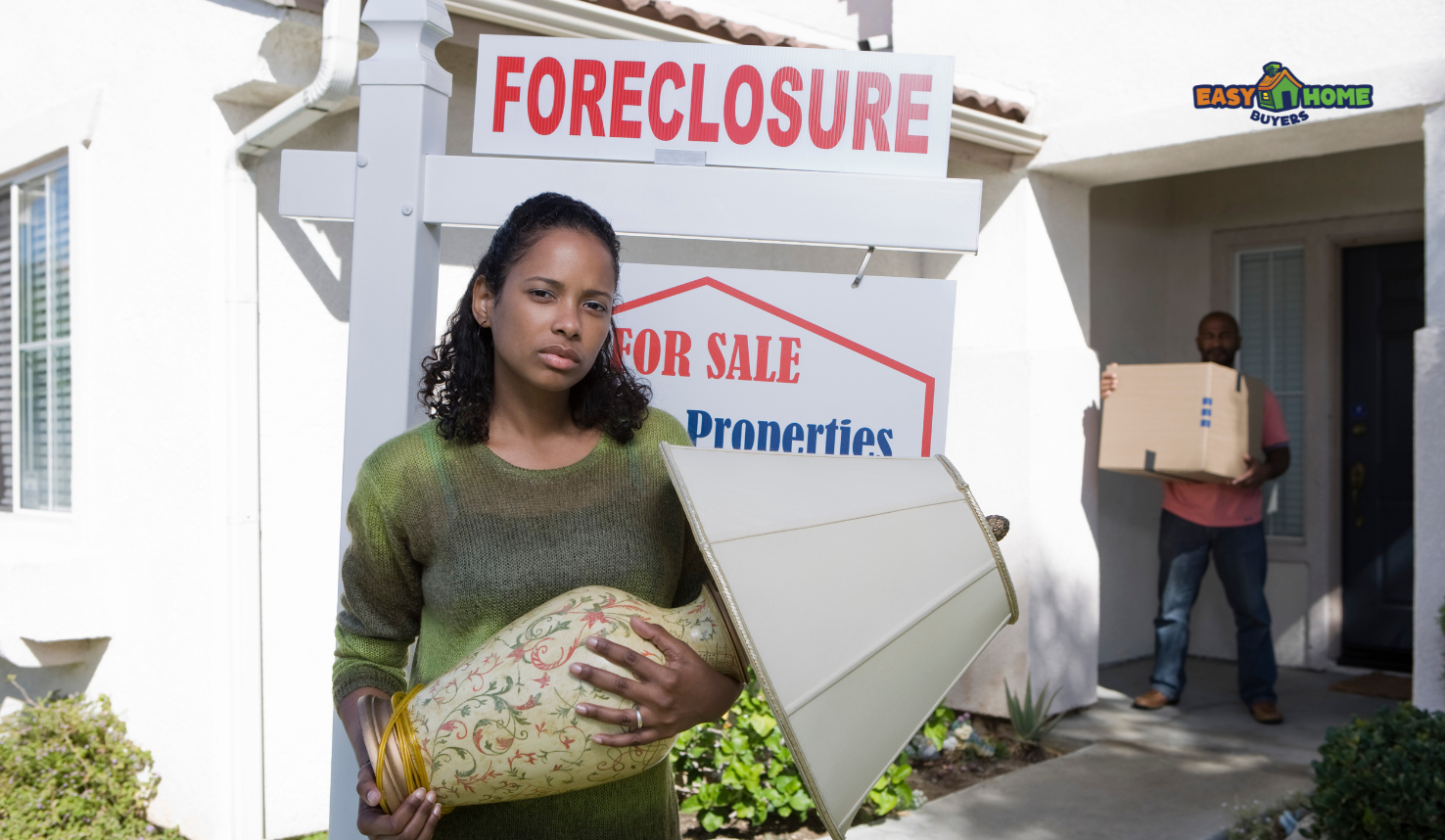
Facing bankruptcy can feel overwhelming, especially when your home is involved. However, there are options to help
you move forward without losing everything. Here’s what you need to know about handling your home during bankruptcy.
Understand Your Bankruptcy Type
The path you take largely depends on whether you’re filing for Chapter 7 or Chapter 13 bankruptcy:
– Chapter 7: Your non-exempt assets, including your home, may be sold to pay creditors. However, exemptions might allow you to keep your home under certain conditions.
– Chapter 13: This plan lets you restructure debt payments and potentially keep your home if you can maintain payments under the new terms.
Assess Your Home’s Equity
The equity in your home plays a significant role:
– High Equity: If your home has significant equity, creditors may seek to claim it. Selling your home yourself might give you more control over the process.
– Low or No Equity: Your home may be exempt from liquidation depending on state laws.
Options for Dealing with Your Home
- Keep Your Home: If you can catch up on payments or your mortgage is exempt, this might be an option. Work with a financial advisor or attorney to determine eligibility.
2. Sell Your Home: Selling before creditors intervene can help you avoid foreclosure and eliminate financial stress.
– Did you know? Selling your home for cash can speed up the process, reduce legal complications, and provide a fresh start.
3. Surrender Your Home: If keeping or selling isn’t feasible, surrendering the property to the lender might be the last resort.
How Selling Can Help
Selling your home during bankruptcy can:
– Pay off a significant portion of your debt.
– Help you avoid foreclosure, which can severely damage your credit.
– Provide you with funds to start fresh.
Thinking of Selling? If you’re considering selling your home as part of your bankruptcy plan, we specialize in buying
houses quickly and for cash. We handle the entire process to make it as smooth as possible for you.